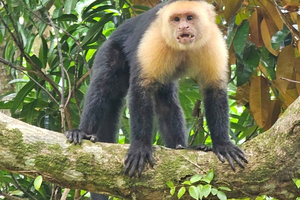
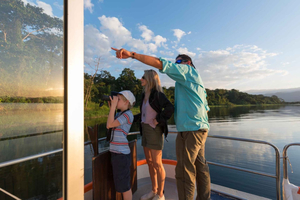
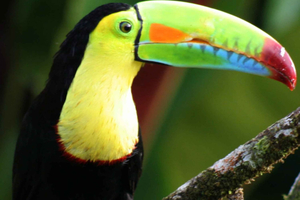
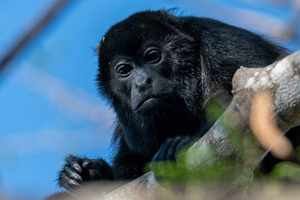
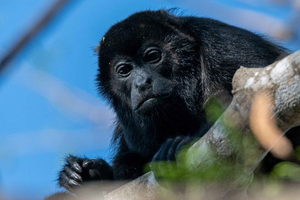
If you’re craving a true taste of Costa Rica’s wild side, nature and wildlife tours are where it’s at. I’ve spent years exploring these places, and honestly, nothing beats the thrill of spotting a resplendent quetzal flicker through the trees or hearing howler monkeys bark as the sun dips behind the mountains.
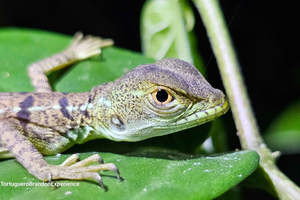
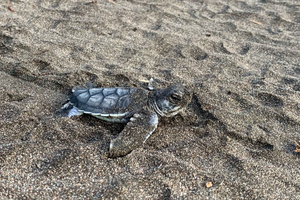
One of my favorite spots? The Osa Peninsula, especially Corcovado National Park. It’s raw, untamed, and full of surprises,tapirs, scarlet macaws, and if you’re lucky, a jaguar lurking quietly. But don’t overlook Monteverde’s cloud forest either. It rains almost every afternoon, so pack a raincoat and head out early. The misty environment here gives the whole trek a spooky, magical vibe. Oh, and if you’re visiting from December to April, the dry season is best for spotting reptiles and amphibians in Tortuguero.
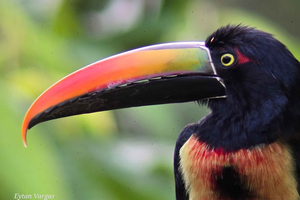
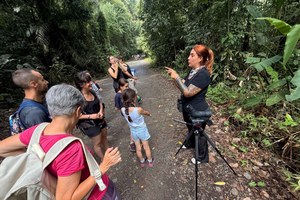
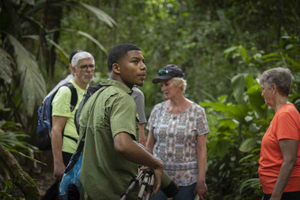
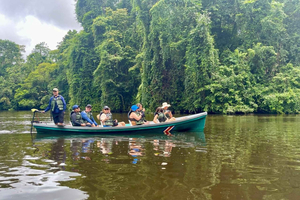
A little tip: hire a local guide who knows the calls and habits of the wildlife. It’s a game-changer. Plus, they’ll lead you to the hidden trails where tourists rarely venture. Just remember, Costa Rica’s wildlife doesn’t perform on cue. Patience is key. Take your time, keep quiet, and stay curious,you’ll surprise yourself with what you stumble upon.
🌍 Part of the My Guide Network180+ destinations worldwide
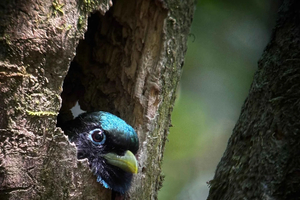
If you’re headed to Costa Rica’s national parks, try sneaking out at dawn. Wildlife is most active then,howler monkeys start their racket early and birds are singing their heads off. When I visited Monteverde, a quiet morning walk rewarded me with a stunning sighting of a resplendent quetzal perched just above the trail.
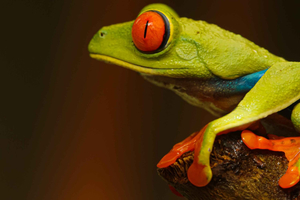
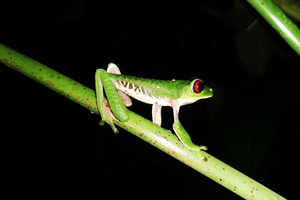
Also, don’t underestimate the little creatures. Frogs, insects, and orchids often steal the scene. I like bringing a small magnifying glass to get a better look. Plus, remember that a good pair of waterproof hiking boots will make muddy trails much more bearable, especially if you’re exploring rainforests during the green season.
Frequently Asked Questions
Got questions about nature and wildlife tours in Costa Rica? Here’s some straight-up answers.
It depends on what you want to see. Dry season, from December to April, is great for hiking and spotting reptiles or birds in places like Tortuguero. But the rainy season brings out frogs and insects in cloud forests like Monteverde. Honestly, every season has its perks.
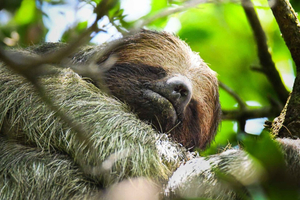
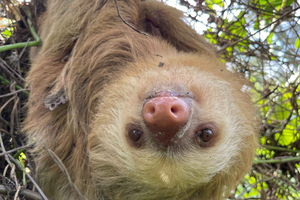
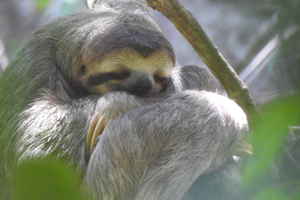
I’d say yes. Local guides have keen eyes and know all the secret spots. They’ll point out things you’d never catch on your own, like sloths hidden high in the canopy or rare birds. Plus, they make the experience way more enriching.
Totally. Many tours cater to families and first-timers. Just choose trails that aren’t too rugged,places like Manuel Antonio National Park are pretty accessible and still stuffed with wildlife. Kids usually love the monkeys and iguanas.
Bring lightweight, quick-dry clothes, sturdy walking shoes, insect repellent, and binoculars if you have them. Also, an early start helps avoid crowds and wildlife is often more active in the mornings.
Big cats and tapirs are very elusive. If you’re lucky in Corcovado or remote parts of the Osa Peninsula, you might catch a glimpse. But even seasoned locals don’t see them often, so keep your expectations realistic.